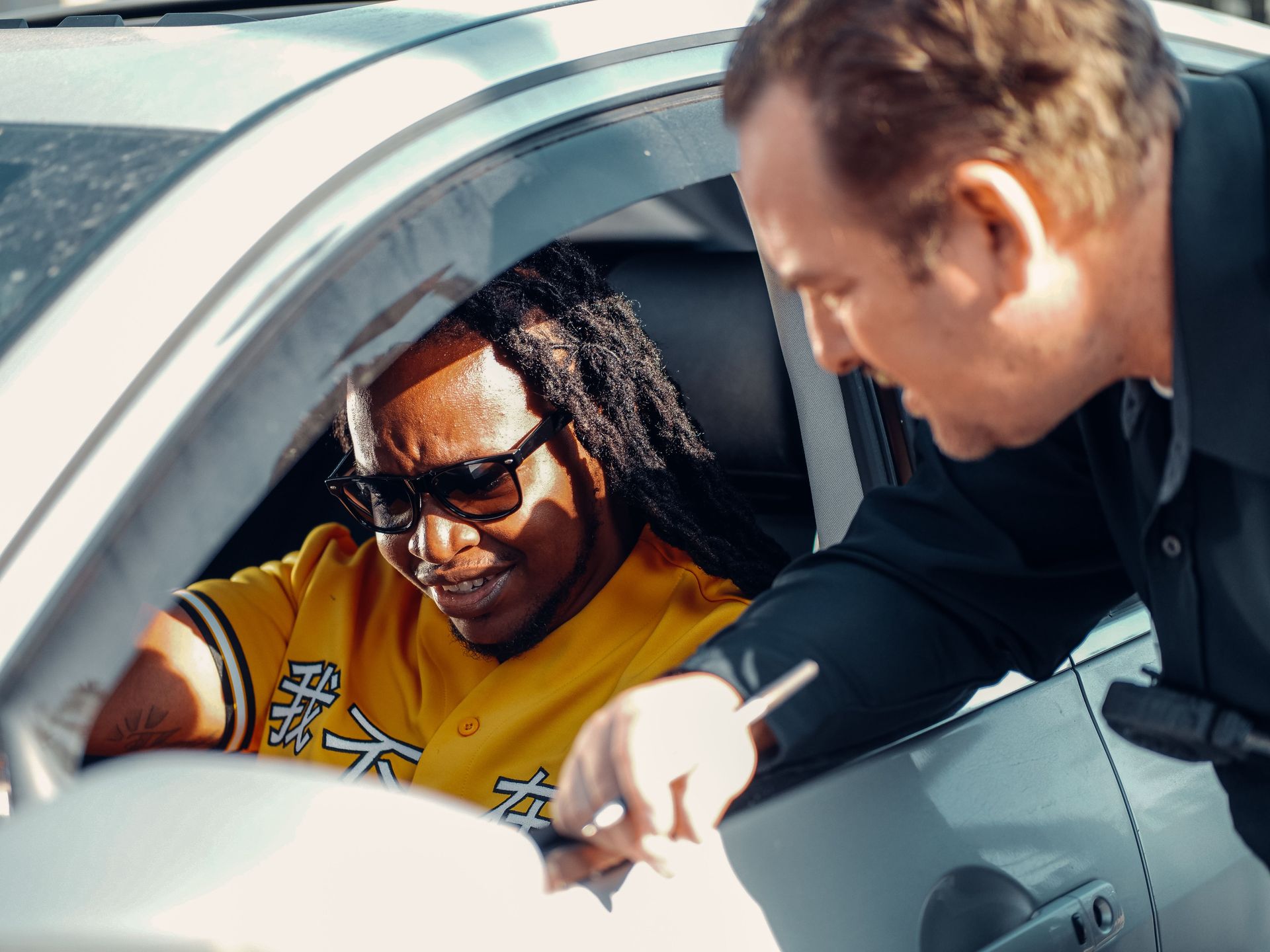

Can You Face Criminal Charges for Accidentally Injuring Someone While Intoxicated in Atlanta?
Can You Face Criminal Charges for Accidentally Injuring Someone While Intoxicated in Atlanta?
Yes. In Atlanta, you can face criminal charges for accidentally injuring someone while intoxicated if your actions meet the requirements of a Georgia offense. An injury at a gathering could lead to a reckless conduct charge. A crash involving DUI or reckless driving can lead to a felony charge of serious injury by vehicle if the crash caused harm that meets Georgia’s specific legal definition.
What you did before the injury often matters as much as what happened afterward. Police and prosecutors may look at how the injury occurred, what risks you were aware of, and what the evidence shows about your ability to drive safely. Those questions help explain why two incidents that both feel like accidents can lead to very different charges.
When does an accidental injury become a crime in Georgia?
Georgia’s accident provision, O.C.G.A. § 16-2-2, addresses events where there was no criminal scheme, undertaking, intention, or criminal negligence. Saying “I didn’t mean to hurt anyone” addresses intent to injure. Depending on the charge, prosecutors may be able to proceed by proving recklessness or a driving offense and the resulting harm.
Consider two incidents at a crowded Midtown Atlanta gathering. In one, someone loses their footing after being bumped and falls into another guest. In the other, someone repeatedly swings a heavy object through a crowded area after being warned that people are within reach. Both could cause an unexpected injury. The warnings and repeated conduct in the second example could help prosecutors show that the person recognized a substantial danger and disregarded it. Video showing someone else caused the first person to fall could support an accident defense.
Does voluntary intoxication excuse what happened?
Under O.C.G.A. § 16-3-4, voluntary intoxication provides no excuse for a criminal act. Georgia recognizes a narrow defense when intoxication is involuntary and leaves the person unable to distinguish right from wrong in relation to the act. The statute describes involuntary intoxication in terms of an excusable mistake or the coercion, fraud, or trickery of another person.
A memory gap after drinking does not establish either requirement. The prosecution still has to prove the elements of the charge beyond a reasonable doubt, which can include questions about who acted, what they did, and whether their conduct caused the injury.
What is reckless conduct under Georgia law?
Under O.C.G.A. § 16-5-60(b), reckless conduct is a misdemeanor. The statute applies when a person causes bodily harm or endangers another person’s bodily safety by consciously disregarding a substantial and unjustifiable risk. The disregard must be a gross departure from the care a reasonable person would exercise in the situation.
For example, imagine someone at an Atlanta apartment gathering throws a glass bottle from a balcony after a friend warns that people are walking below. A witness who heard the warning could help establish what the person knew before throwing it. A video could show where the bottle landed and whether anyone was in its path. Those details matter even if the bottle missed everyone, because the statute also covers endangerment.
In a reckless conduct case, evidence that someone had been drinking gives context. Witness accounts, prior warnings, and the sequence shown on video may tell investigators more about whether the person consciously ignored the risk.
When can an Atlanta DUI crash lead to a felony injury charge?
Georgia can prosecute DUI under O.C.G.A. § 40-6-391 even when nobody is hurt. One common theory is DUI less safe, which can apply when alcohol or drugs make a person less safe to drive. Georgia also has a separate alcohol-concentration provision that generally applies at 0.08 grams or more within three hours after driving or being in actual physical control of a moving vehicle, when the alcohol was consumed before that driving or control ended. A lower reading can still leave a driver facing a less-safe allegation if the evidence supports impairment.
What counts as serious injury by vehicle?
Under O.C.G.A. § 40-6-394(b), a person can be charged with serious injury by vehicle if they cause a crash while violating Georgia’s DUI or reckless driving law and the crash causes the type of bodily harm specified in the statute. That can include loss of a body part, loss of its use, serious disfigurement, or organic brain damage that makes the body or a body part unusable. A conviction under subsection (b) is a felony carrying one to 15 years in prison.
An emergency room visit alone cannot establish the statutory injury. The nature and effects of the harm matter. For instance, records showing that a crash seriously disfigured a pedestrian’s face may support the charge. A passenger’s medical records documenting a temporary injury could call for a different analysis. The State also must establish that the accused driver caused the crash. An alcohol result may support the DUI allegation, while intersection footage, vehicle damage, and witness accounts can help establish how the collision occurred.
What should you do after an accidental injury in Atlanta?
Get emergency help if someone is hurt. If the incident involved a crash, comply with Georgia’s legal duties to stop, provide required information, and render reasonable assistance. Before giving a detailed account of how the incident happened, you can ask to speak with a criminal defense attorney. If you received a citation, bond paperwork, or a driver’s license notice, keep it and check the listed dates promptly.
Preserve dashcam footage, photos, messages, and witness contact information. Save the original files, including footage from before and after the injury. If a nearby business may have recorded the incident, tell your lawyer where the cameras were so they can assess how to seek the recordings before they are overwritten.
The court listed on your paperwork also matters. The Municipal Court of Atlanta can hear DUI and certain misdemeanor matters arising within city limits. A felony charge follows a different court process. Check the notice for the court and county, especially if you received a traffic citation at the scene and later received paperwork concerning a more serious charge.
Frequently asked questions
Can I be charged if the injured person is my friend and doesn’t want to press charges?
Yes. Prosecutors decide whether to pursue a Georgia criminal charge. A friend’s wishes can affect how willing they are to participate, but other evidence may be available. In a crash case, police may collect traffic footage, statements from other drivers, and medical evidence. In a non-driving case, reports from venue staff or other guests may carry weight.
Can a DUI injury case proceed if no breath test was given?
Yes. For a DUI less-safe allegation, courts can consider driving behavior, recorded observations, witness statements, and other admissible evidence. The relevance and reliability of that evidence depend on the circumstances. For example, a defense attorney may examine whether a head injury could explain balance problems or whether an officer’s observations are consistent with what the video shows.
Can I face criminal charges and a civil claim over the same injury?
Yes. The State can pursue a criminal case, and the injured person may separately seek compensation through a civil claim. The two proceedings have different purposes and standards of proof. If both are pending, tell your lawyer about any insurance requests for a recorded statement or written account so you can coordinate how to respond.
Could I face charges if I caused a crash while sober?
Yes. Georgia’s serious injury by vehicle statute also covers crashes caused while violating the reckless driving law when the crash results in the specified bodily harm. Under O.C.G.A. § 40-6-390, reckless driving involves driving with reckless disregard for the safety of people or property. Evidence such as
the path of the vehicle, the traffic conditions, and how the driver responded to hazards can matter.
Talk with an Atlanta criminal defense attorney
If police are investigating an accidental injury or you face a reckless conduct, DUI, or serious injury by vehicle charge in Atlanta, contact the Law Offices Of Thomas J. Thomas. Bring any citation, court notice, and records you have. An attorney can review the charge, explain the next court date, and identify evidence that may help clarify how the injury occurred.